Legal Technology
AI Tools for Small Law Firms: What to Look for in 2026
Not every AI tool is built for small firms. Here is what to prioritize — and what to avoid — when evaluating AI-powered legal technology in 2026.

Alex Cuomo
Co-founder, LexVault · March 27, 2026 · 5 min read
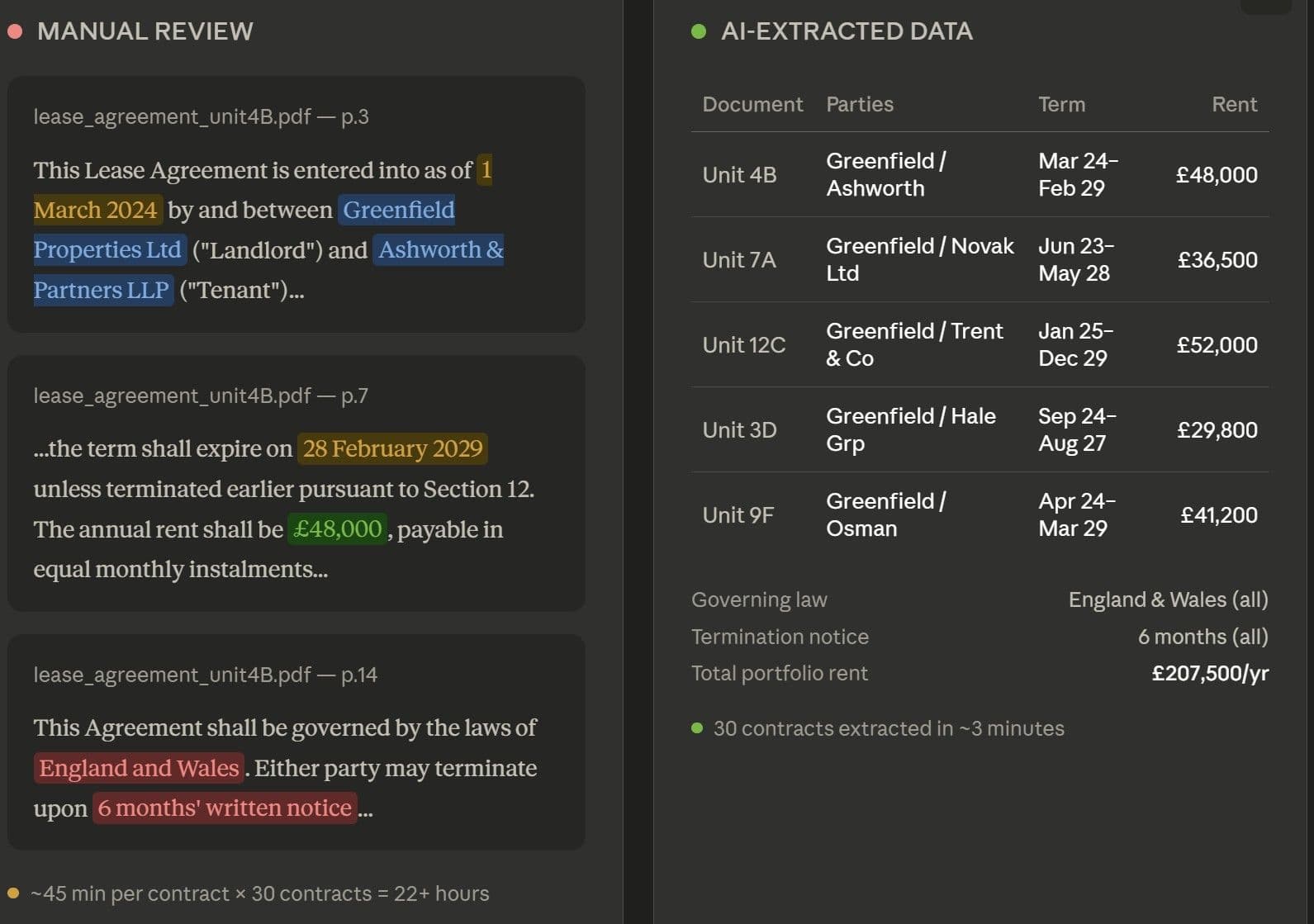
Artificial intelligence is no longer a future concept for the legal profession. In 2026, AI-powered tools are available at price points and complexity levels that make them accessible to solo practitioners and small firms for the first time.
But not every AI tool is built the same, and not every tool is built for you. This guide covers what small law firms should actually look for when evaluating AI tools — and what to avoid.
The AI Landscape for Small Firms in 2026
The legal AI market has split into two distinct segments. On one side are enterprise platforms designed for large firms with large budgets — tools like Relativity, Kira, and Harvey that require significant implementation effort and five- or six-figure annual contracts.
On the other side is a growing category of tools built specifically for smaller practices. These platforms are designed to work out of the box, require no IT support, and are priced for firms where every dollar matters.
The second category is where the most meaningful innovation is happening for small firms right now.
What AI Can Actually Do for a Small Firm
Document Search and Retrieval
This is the highest-impact use case for most small firms. AI-powered document search lets you ask questions about your client files in natural language — not just keyword searches, but real questions like "What did the buyer represent about environmental compliance?" The system reads your documents, finds the relevant passages, and cites the exact source. If you want to understand the technology behind this, read our explainer on [retrieval-augmented generation](/blog/what-is-rag-retrieval-augmented-generation-lawyers).
Document Summarization
Uploading a 50-page contract and getting a plain-English summary of key terms in seconds is no longer a novelty. It is a practical tool that saves hours of review time, especially during client intake or when inheriting a matter from another attorney.
Legal Research Assistance
AI research tools can help identify relevant case law, summarize holdings, and flag potential arguments. They are not a replacement for thorough legal research, but they are an excellent starting point that narrows the field before you dive deeper.
Drafting Assistance
From demand letters to contract clauses, AI tools can generate first drafts that attorneys then review and refine. The time savings on routine documents can be substantial.
What to Look for When Evaluating Tools
Data Privacy and Confidentiality
This is the threshold question. Before evaluating any other feature, ask the vendor three things: Is my data used to train your AI model? Where is my data stored? Who has access to it?
If the vendor cannot give clear, specific answers to all three questions, move on. Your ethical obligations under ABA Model Rule 1.6 require that you understand how client data is handled by any technology you use. We cover this in depth in our [guide to evaluating legal tech vendors on data privacy](/blog/evaluate-legal-tech-vendors-data-privacy).
Accuracy and Source Citations
Any AI tool that gives you an answer without showing where it came from is dangerous in a legal context. Look for tools that cite specific documents, pages, and passages so you can verify every answer. Hallucination — where an AI confidently generates incorrect information — remains a real risk. Source citations are the guardrail.
Ease of Setup
If a tool requires a week of configuration, a data migration project, or an IT consultant, it is not built for a small firm. The best tools let you upload documents and start working within minutes. A free trial or beta period is a good sign — it means the vendor is confident you will see value quickly.
Pricing Transparency
Beware of tools that require a sales call to learn the price. Small-firm-friendly vendors publish their pricing openly. Look for monthly plans with no long-term commitments, and watch out for per-seat pricing that penalizes firms for adding staff.
Integration With Existing Workflows
You do not need to replace everything you already use. The best AI tools complement your existing practice management software, cloud storage, and email. Ask whether the tool integrates with platforms you already rely on, or whether it works as a standalone solution that fits alongside them.
What to Avoid
Tools That Try to Do Everything
A platform that promises to handle document management, billing, calendaring, CRM, and AI search all in one is almost certainly mediocre at most of them. Look for tools that do one or two things exceptionally well.
Free Consumer AI Tools for Client Work
ChatGPT, Claude, and other general-purpose AI assistants are powerful, but they are not designed for handling confidential client documents. Using a consumer AI tool to process client files raises serious confidentiality concerns. Purpose-built legal AI platforms like LexVault are designed with data isolation, encryption, and zero-training-data policies specifically because attorneys need these protections. You can read more about our security architecture.
Vendors Without Clear Security Documentation
If a vendor cannot produce a clear explanation of their security architecture, encryption standards, and data handling policies, that is a disqualifying red flag. Our article on ABA Rule 1.6 and AI tools covers the ethical framework in detail.
The Bottom Line
AI tools for small law firms have reached the point where the question is no longer whether to adopt them, but which ones to adopt. Start with the use case that costs you the most time — for most firms, that is document search — and evaluate tools specifically built for that problem. Prioritize data privacy, source citations, and ease of use above all else.
The firms that adopt intelligently now will have a meaningful competitive advantage over those that wait.
LexVault
Built with these obligations in mind
Data isolated per firm. No AI training. DPA at signup. US infrastructure.
Start your free trial